
وبلاگ
what is methanol?
What Is Methanol?
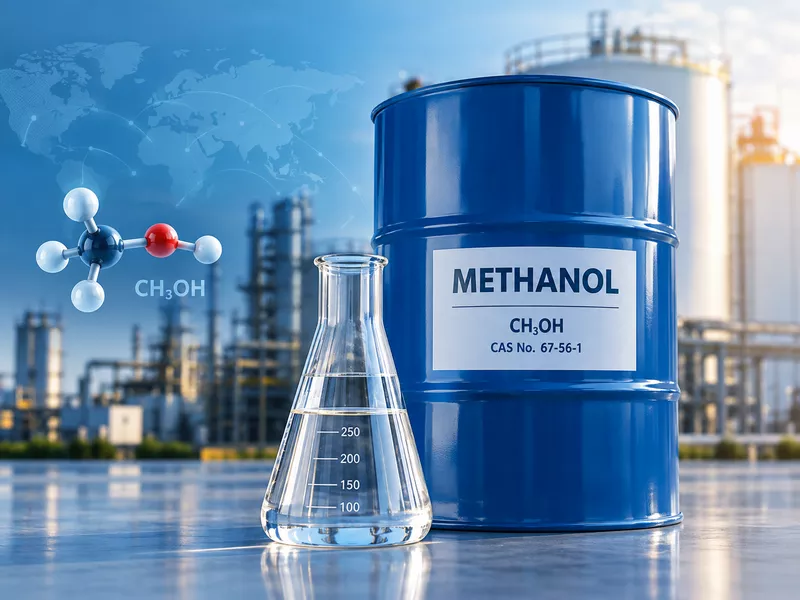
Methanol is a simple, colorless, and flammable liquid alcohol with the chemical formula CH₃OH. It has a light, distinctive odor and evaporates easily at room temperature. Methanol is the simplest type of alcohol, consisting of one carbon atom, four hydrogen atoms, and one oxygen atom. It is also known as methyl alcohol or wood alcohol.
| Methanol Chemical Properties | |
|---|---|
| Chemical Name | Methanol |
| Chemical Formula | CH₃OH |
| Molecular Weight | 32.04 g/mol |
| Appearance | Colorless liquid |
| Boiling Point | 64.7 °C |
| Melting Point | −97.6 °C |
| Density | Approximately 0.792 g/cm³ at 20 °C |
| Solubility | Completely soluble in water |
| Odor | Characteristic alcohol-like odor |
| Flash Point | Approximately 11 °C |
What Happens to Methanol When Distilling?
Methanol has a lower boiling point than water, about 64.7°C, so it tends to vaporize before water during distillation. However, the actual separation depends on the composition of the mixture and the distillation conditions.
How Is Methanol Produced?
In the past, methanol was produced via the catalytic hydrogenation of carbon monoxide. The mixture of hydrogen and carbon monoxide in the appropriate ratio was obtained through the reaction of water with methane, other alkanes, or coal at high temperatures.
In modern methanol production methods, catalysts that operate at lower pressures and offer higher efficiency are utilized. Today, the synthesis gas (syngas) required for methanol production is obtained by reacting methane from natural gas with steam at moderate pressures (10–20 atm) and temperatures of 850 °C in the presence of a nickel catalyst. The resulting CO and H₂ then react in the presence of a copper, zinc oxide, and aluminum catalyst to produce methanol. This catalytic process was first implemented by ICI in 1966, with the reaction occurring at pressures of 50–100 atm and temperatures of 250 °C.
Methanol Production from Natural Gas
Natural gas is one of the most common raw materials used to produce methanol. The natural gas is mainly converted into syngas, a mixture of hydrogen, carbon monoxide, and carbon dioxide. The syngas is then processed in a methanol synthesis unit under controlled temperature and pressure to produce methanol. After synthesis, the methanol is purified to meet the required quality specifications.
will methanol mix with gas?
Yes. Methanol can mix with gasoline because it is miscible with gasoline to some extent, but the amount that can be blended depends on the fuel formulation and conditions. Higher methanol concentrations may require special fuel systems and additives.
Methanol Production from Coal
Coal can also be used as a raw material for methanol production. In this process, coal is converted into syngas through gasification. The resulting syngas is then cleaned and processed before being converted into methanol. Coal-based methanol production is particularly important in regions where coal is more readily available than natural gas.
Green Methanol Production
Green methanol is produced using renewable or low-carbon sources instead of conventional fossil-based feedstocks. One approach uses green hydrogen produced with renewable electricity together with captured carbon dioxide (CO₂). Other routes can use biomass or renewable waste as feedstock.Green methanol production aims to reduce greenhouse gas emissions and provide a more sustainable alternative to conventional methanol.
Types of Methanol
- Industrial-Grade Methanol: Methanol produced to meet standard industrial specifications, with controlled purity for general industrial use.
- Fuel-Grade Methanol: Methanol with specifications suitable for use as a fuel or as a component in fuel blends.
- High-Purity Methanol: Methanol with a very high level of purity and low levels of impurities, typically required for sensitive chemical and laboratory processes.
- Green Methanol: Methanol produced from renewable or low-carbon feedstocks, such as biomass, renewable hydrogen, and captured CO₂.
What Is Methanol Used For?
6 common uses of methanol include:
1.Methanol in Formaldehyde Production
this chemicals is one of the main feedstocks for formaldehyde production. In this process, methanol is oxidized over a catalyst to produce formaldehyde. The formaldehyde is then used to manufacture products such as urea-formaldehyde, phenol-formaldehyde and melamine-formaldehyde resins, which are widely used in wood panels, insulation materials, coatings, and molded products.
2.Methanol in Solvents and Chemical Manufacturing
Methanol is used as a solvent in several industrial processes because it can dissolve a wide range of organic and inorganic substances. More importantly, it is a feedstock for producing chemicals such as acetic acid, methylamines, methyl methacrylate and dimethyl ether . These chemicals are further used in plastics, coatings, adhesives, solvents, and other chemical products.
Methanol for Windshield Washer Fluid
Methanol can be used in some windshield washer fluids as a solvent and antifreeze component. It helps prevent the liquid from freezing at low temperatures and improves the cleaning performance of the formulation. Now, you may be wondering: Will methanol melt ice? methanol can melt ice because it lowers the freezing point of water, causing ice to melt at temperatures below 0°C.
Important note: Methanol is toxic, and its use in windshield washer fluids may be restricted or prohibited depending on the country and regulations for consumer products.
3.Methanol as a Fuel
Methanol can be used as a fuel, fuel additive, or fuel-blending component. It has a relatively high octane rating and can be used in certain internal combustion engines and specialized fuel systems. Methanol is also used in some marine and industrial fuel applications, while its use in conventional gasoline blends depends on fuel specifications and engine compatibility.
can methanol be used as a fuel?
Yes. Methanol can be used as a fuel either on its own or blended with other fuels. It has a high octane rating and is used in certain engines, fuel systems, and industrial applications.
4.Methanol in Biodiesel Production
Methanol is essential in the production of biodiesel through transesterification. It reacts with vegetable oils, used cooking oils, or animal fats in the presence of a catalyst. This reaction converts triglycerides into fatty acid methyl esters, which form the main component of biodiesel, while glycerol is produced as a by-product.
5.Methanol in Paints, Coatings, and Adhesives
Methanol can be used as a solvent, thinner, or chemical feedstock in certain coating and adhesive formulations. It can help dissolve or process specific raw materials and is also involved indirectly in the production of resins and chemical intermediates used in coatings and adhesives. Its use depends on the formulation and required performance.
6.Methanol in Other Industrial Applications
Methanol is also used as a feedstock for producing methyl acetate, methylamines, chloromethanes, and other methyl-based chemicals. It is used in processes related to plastics, synthetic fibers, pharmaceuticals, agricultural chemicals, and water treatment. In some industrial facilities, methanol is also used as a carbon source in wastewater treatment to support biological denitrification.
What Is the Difference Between Methanol and Ethanol?
Methanol and ethanol are both simple alcohols, but they have different chemical structures and properties. Methanol(CH₃OH) contains one carbon atom, while ethanol(C₂H₅OH) contains two carbon atoms. Methanol is highly toxic and can cause severe poisoning, blindness, or death if swallowed, while ethanol is the type of alcohol found in alcoholic beverages when produced and used for consumption. They also differ in boiling point, density, and other physical properties.
Methanol is mainly used as an industrial chemical, solvent, fuel, and chemical feedstock, while ethanol has a much wider range of uses, including beverages, solvents, disinfectants, and fuel. Despite some similarities in appearance and physical properties, methanol and ethanol should never be considered interchangeable, especially because methanol is highly toxic.
| methanol vs ethanol | ||
|---|---|---|
| Property | Methanol | Ethanol |
| Chemical Formula | CH₃OH | C₂H₅OH |
| Carbon Atoms | 1 | 2 |
| Molecular Weight | 32.04 g/mol | 46.07 g/mol |
| Boiling Point | 64.7 °C | 78.4 °C |
| Density at 20 °C | Approximately 0.792 g/cm³ | Approximately 0.789 g/cm³ |
| Toxicity | Highly toxic | Less toxic, but excessive consumption is harmful |
| Main Uses | Industrial chemicals, solvents, fuels, and chemical manufacturing | Beverages, solvents, disinfectants, fuels, and chemical manufacturing |
Ways to Distinguish Methanol from Ethanol Outside a Laboratory
There is no reliable and safe home method for confirming methanol or ethanol with certainty. These two liquids can look and smell very similar, and methods such as tasting, smelling, or flame testing cannot safely confirm their identity.
Flame Test
Methanol and ethanol are both flammable and can produce similar-looking flames. Methanol may burn with a pale blue, almost invisible flame, while ethanol usually produces a more visible blue flame. However, flame color is affected by conditions and cannot reliably identify methanol or ethanol. Therefore, a flame test should not be used as a home identification method.
are methanol fires invisible?
Methanol fires can be difficult to see, especially in daylight, because the flame can be pale blue and nearly invisible. This makes methanol fires particularly dangerous, as a fire may be present even when the flame is not clearly visible.
Methanol Where to Buy?
Looking for a reliable methanol supplier for your business? Pilar Tejarat is an experienced supplier and exporter of methanol from Iran, providing methanol for industrial and commercial applications. We supply bulk methanol for international buyers and can arrange delivery at the Iranian border or your destination port, depending on your requirements and trade terms.
For the latest methanol price and availability, contact Pilar Tejarat for a quotation based on your required quantity, delivery location, and specifications. Whether you are looking for bulk methanol for chemical manufacturing, fuel applications, or other industrial uses, our team can assist with sourcing and export arrangements. Contact us via WhatsApp or send us an email to discuss your requirements and receive a methanol price quotation.
Methanol Storage and Handling
Methanol should be stored in a cool, dry, and well-ventilated area away from heat, sparks, open flames, and direct sunlight. Storage tanks and containers should be properly closed and made from materials compatible with methanol. Because methanol is highly flammable, storage areas should have suitable fire protection and adequate ventilation.
During handling, workers should use appropriate personal protective equipment, including chemical-resistant gloves and eye protection. Methanol should be kept away from incompatible chemicals and ignition sources, and spills should be handled according to established chemical safety procedures. Industrial facilities should always follow the relevant SDS and local safety regulations.
Methanol What Does It Do to the Body?
Methanol is a toxic substance that can be harmful if swallowed, inhaled, or absorbed through the skin. After entering the body, methanol is metabolized into toxic compounds that can affect the nervous system and especially the optic nerves. The severity of poisoning depends on the amount of exposure and how quickly medical treatment is provided.
Methanol poisoning can cause symptoms such as headache, dizziness, nausea, vomiting, abdominal pain, blurred vision, and confusion. In severe cases, it can lead to permanent visual damage, metabolic acidosis, coma, or death. Suspected exposure requires immediate medical attention, even if serious symptoms have not yet appeared.
Will Methanol Make You Blind?
Yes. Severe methanol poisoning can damage the optic nerve and cause permanent blindness. However, early medical treatment can significantly reduce the risk of severe complications.
Can Methanol Poisoning Be Treated with Ethanol?
Ethanol can be used as an antidote for methanol poisoning under medical supervision because it can compete with methanol for the enzyme responsible for forming its toxic metabolites. Another medical antidote, fomepizole, is also commonly used. Treatment may also include hemodialysis and other supportive measures depending on the patient’s condition.
Methanol Packaging and Transportation
Methanol is commonly transported in bulk using dedicated chemical tankers, tank containers, rail tank cars, or other approved transport systems, depending on the shipment size and destination. For smaller quantities, it can be supplied in approved chemical containers or drums. The packaging must be suitable for methanol and properly sealed to prevent leakage during storage and transportation.
International methanol shipments require appropriate dangerous-goods classification, labeling, documentation, and transport procedures. The exact requirements depend on the transportation method and destination country. Exporters and buyers should ensure that the shipment complies with applicable regulations and that the required shipping and safety documents are prepared before dispatch.
Can Methanol Go Down the Drain?
Methanol should not be poured down the drain. It is a toxic and flammable chemical and must be collected and disposed of according to local hazardous-waste regulations.
FAQ
How is methanol made?
Methanol is mainly made from syngas (synthesis gas), a mixture of hydrogen, carbon monoxide, and carbon dioxide. The syngas is produced from feedstocks such as natural gas or coal and is then passed through a catalyst under controlled temperature and pressure to form methanol.
Are Methanol and Water Miscible?
Yes. Methanol and water are completely miscible, meaning they can mix in all proportions and form a uniform solution.
Are Methanol and Toluene Miscible?
Yes. Methanol and toluene are miscible to a significant extent, although their mixing behavior can depend on temperature and composition.
How Does Methanol Cause Blindness?
Methanol is converted in the body into toxic compounds, particularly formic acid, which can damage the optic nerve. Severe methanol poisoning can therefore cause permanent vision loss or blindness.
What Is Methanol Injection?
Methanol injection is a system that injects a controlled amount of methanol, usually mixed with water, into an engine’s intake system. It can reduce intake temperatures and increase resistance to engine knock, allowing certain engines to operate at higher boost or load.
Is Methanol Polar or Nonpolar?
Methanol is a polar solvent because it contains a hydroxyl (-OH) group that gives the molecule a significant dipole. Water is also polar, while another common solvent such as toluene is nonpolar.
هر چیزی که راجب متانول باید بدانید
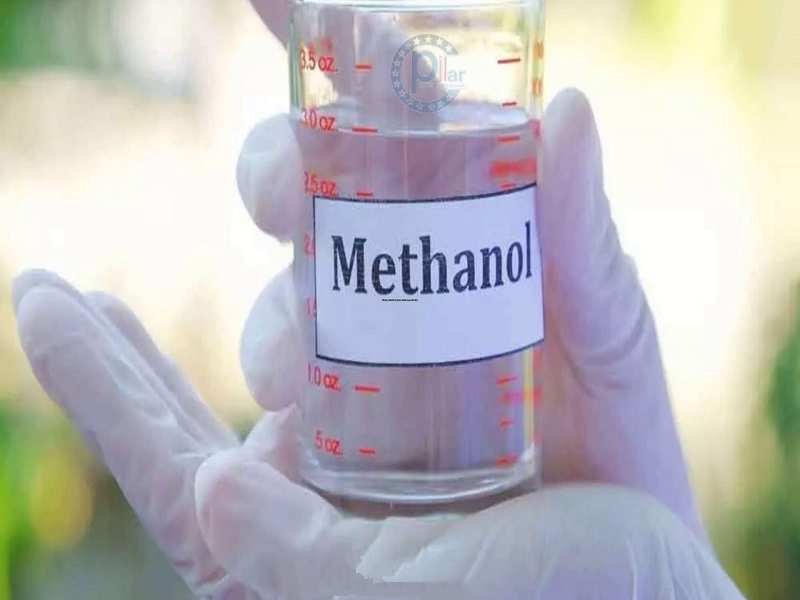
متانول یک نوع الکل است که به صورت شیمیایی با فرمول CH3OH نمایش داده میشود. این الکل اغلب به نام متیل الکل نیز شناخته میشود و یک ماده بیرنگ، بیبو، و قابل محو شدن در آب است. متانول معمولاً به عنوان یک حلال در صنایع شیمیایی و به عنوان سوخت در برخی از موارد مورد استفاده قرار میگیرد. همچنین، این الکل به عنوان یک ماده اولیه در تولید برخی از محصولات شیمیایی نیز مورد استفاده قرار میگیرد.
متانول چیست؟
متانول (Methanol) که با نامهای متیل الکل یا الکل چوبی نیز شناخته میشود، یک مایع بیرنگ و اشتعالپذیر است. فرمول شیمیایی این ماده CH3OH میباشد. از نظر ساختاری، متانول سادهترین ترکیب الکلی است که از ترکیب یک اتم کربن، چهار اتم هیدروژن و یک اتم اکسیژن به دست میآید. جالبه بدانید که متانول به صورت بیرنگ و بی بو است و به راحتی در آب حل میشود و از طریق فعالیت بی هوازی گونههای مختلف باکتری تولید میشود.
| خواص شیمیایی متانول | |
|---|---|
| نام شیمیایی | متانول (Methanol) |
| فرمول شیمیایی | CH₃OH |
| وزن مولکولی | 32.04 g/mol |
| ظاهر | مایع بیرنگ |
| نقطه جوش | 64.7 °C |
| نقطه ذوب | 97.6- °C |
| چگالی | تقریباً 0.792 g/cm³ در دمای 20 °C |
| انحلالپذیری | کاملاً محلول در آب |
| بو | دارای بوی مشخص الکلی |
| نقطه اشتعال | تقریباً 11 °C |
نگاهی به تاریخچه متانول
تاریخچه ترکیب متانول بسیار جذاب و شنیدنی است؛ این ماده که مصریان باستان از الکل چوب آن برای مومیایی کردن استفاده میکردند، در سال ۱۶۶۱ توسط رابرت بویل جدا شد و در نهایت در سال ۱۸۹۲ نام متانول را به خود گرفت. نقطه عطف صنعتی آن در سال ۱۹۲۳ با ابداع روش تولید از گاز سنتزی توسط شیمیدانان آلمانی رقم خورد که مسیر را برای تولید انبوه آن به عنوان سوخت و ماده اولیه صنایع شیمیایی مانند تولید اسید استیک هموار کرد.
روشهای تولید متانول
در گذشته، تولید متانول از هیدروژندار کردن کاتالیزوری مونوکسیدکربن حاصل میشد. مخلوط هیدروژن و مونوکسیدکربن با نسبت مناسب از واکنش آب با متان، آلکانهای دیگر یا زغال سنگ در دماهای بالا بهدست میآمد.
در روش مدرن تولید متانول، از کاتالیزورهایی استفاده میشود که در فشارهای پایین عمل میکنند و کارایی موثرتری دارند. گاز سنتز مورد نظر برای تولید متانول امروزه از واکنش متان در گازهای طبیعی، تحت فشار ملایم (۱۰-۲۰ اتمسفر) و دمای ۸۵۰ درجه سانتیگراد با بخار آب و در مجاورت کاتالیزور نیکل بهدست میآید. CO و H۲ تولید شده، تحت تأثیر کاتالیزوری از مس، اکسید روی و آلومینیوم، واکنش داده و متانول تولید میشود. این کاتالیزور برای اولین بار در سال ۱۹۶۶ توسط ICI بهکار گرفته شد و واکنش در فشار ۵۰-۱۰۰ اتمسفر و دمای ۲۵۰ درجه سانتیگراد انجام میشود.
تولید متانول از گاز طبیعی
گاز طبیعی یکی از رایجترین مواد اولیه برای تولید متانول است. در این فرآیند، گاز طبیعی عمدتاً به گاز سنتز (مخلوطی از هیدروژن، مونوکسید کربن و دیاکسید کربن) تبدیل میشود. سپس گاز سنتز در واحد سنتز متانول تحت دما و فشار کنترلشده فرآوری شده تا متانول تولید شود. پس از سنتز، متانول خالصسازی میشود تا با استانداردهای کیفی مورد نیاز مطابقت داشته باشد.
آیا متانول با بنزین ترکیب میشود؟
متانول تا حدودی با بنزین قابل اختلاط است، اما میزان ترکیب آن به فرمولاسیون سوخت و شرایط عملیاتی بستگی دارد. غلظتهای بالاتر متانول ممکن است نیاز به سیستمهای سوخترسانی ویژه و افزودنیهای خاص داشته باشد.
تولید متانول از زغالسنگ
زغالسنگ نیز میتواند به عنوان ماده اولیه برای تولید متانول استفاده شود. در این فرآیند، زغالسنگ از طریق گازسازی به گاز سنتز تبدیل میشود. گاز حاصل پیش از تبدیل به متانول، تصفیه و فرآوری میگردد. تولید متانول بر پایه زغالسنگ بهویژه در مناطقی که زغالسنگ نسبت به گاز طبیعی در دسترستر است، اهمیت زیادی دارد.
تولید متانول سبز (Green Methanol)
متانول سبز به جای سوختهای فسیلی متداول، با استفاده از منابع تجدیدپذیر یا کم کربن تولید میشود. یک روش برای این کار، استفاده از هیدروژن سبز تولیدشده با برق تجدیدپذیر در ترکیب با دیاکسید کربن جذبشده است. روشهای دیگر شامل استفاده از زیستتوده یا پسماندهای تجدیدپذیر به عنوان ماده اولیه است. هدف از تولید متانول سبز، کاهش انتشار گازهای گلخانهای و ارائه جایگزینی پایدارتر برای متانول معمولی است.
کاربرد متانول
متانول به عنوان یک ماده مهم در سنتز شیمیایی شناخته میشود. این ترکیب و مشتقات آن در مقادیر زیادی برای تولید انواع ترکیبات استفاده میشوند، از جمله مواد رنگزا، رزینها، مواد دارویی و عطر. برخی از کاربردهای متانول شامل موارد زیر هستند:
- در ضدیخ خودروها، سوخت موشک و به عنوان یک حلال عمومی به کار میرود.
- جایگزین بالقوه مهم برای بنزین در وسایل نقلیه خودرویی با اکتان بالا و خلوص بالا است.
- متانول از چوب بهعنوان منبع صنعتی برای تولید الکل اتیلیک استفاده میشود.
- در تصفیه خانههای فاضلاب، افزودن متانول به آب فاضلاب منبع غنی از باکتریهای ضدعفونی کننده میشود.
- به عنوان عامل تعیینکننده در الکتروفورز ژل پلیآکریلآمید بهکار میرود.
- در پیلهای سوختی و به عنوان پیشماده در تولید مواد اولیه مانند اسید استیک استفاده میشود.
- متانول بهعنوان پاککننده رنگ و لاک استفاده میشود.
- تولید متانول از زغال سنگ و گاز طبیعی بهصورت اضافی انجام میشود و برای تولید مواد مختلف مانند متیل بوتیل اتر سوم (MTBE)، اسید استیک و فرمالدئید استفاده میشود.
در مجموع، متانول با دارا بودن ویژگیهای متعدد، در صنایع مختلف از جمله شیمی، سوخت، صنایع غذایی و بهداشتی استفادههای گستردهای دارد.
کاربرد متانول |
|
|
کاربرد متانول در ضدیخ |
به عنوان ضد یخ برای رادیاتورهای خودرو، جزء بنزین (به عنوان یک عامل ضد یخ و تقویت کننده اکتان) و به عنوان سوخت برای اجاق های پیک نیک استفاده می شود.
خواص شیمیایی منحصر بفرد متانول باعث کاهش نقطه انجماد پایه آب می شود و نقطه جوش آن را افزایش می دهد. بدین جهت، در صنعت ضدیخ مصرف می شود. |
| کاربرد متانول به عنوان حلال شیمیایی | متانول در ابتدا به عنوان حلال صنعتی برای جوهر، رزین، چسب، و رنگ استفاده میشود. همچنین در تهیه و ساخت فراوردههای دارویی به عنوان حلال بهکار میرود.
این ماده به عنوان یک حلال در فرآوری کلسترول، استرپتومایسین، ویتامینها، هورمونها و دیگر داروها نیز مورد استفاده قرار میگیرد. |
|
کاربرد متانول به عنوان سوخت |
متانول به عنوان یک منبع سوخت مورد توجه قرار گرفته است، زیرا این سوخت از نوع منابع تجدیدپذیر به شمار میآید.
این ترکیب قابلیت مخلوط شدن با بنزین را دارد، که این عمل باعث کاهش آلایندههای حاصل از آن نسبت به بنزین معمولی میشود. متانول بهعنوان سوخت جایگزین برای موتورها نیز بهکار میرود. |
|
متانول به عنوان سوخت و ساز غذا |
الکل چوب به طور طبیعی در برخی از غذاها مانند میوهها و سبزیجات حضور دارد و ممکن است در سیستم گوارش انسان تولید شود. این الکل میتواند بهبوددهنده فرآیند سوختسازی غذا در سیستم گوارش ما باشد. |
|
یخ زدایی شیشه های جلو اتومبیل |
استفاده از مواد ضد یخ برای یخ زدایی شیشه جلوی ماشین ممنوع شده است، زیرا این مواد برای سلامتی انسان خطرناک میباشند. |
انواع متانول
- متانول گرید صنعتی: متانولی که مطابق با استانداردهای مشخص صنعتی تولید شده و دارای درجه خلوص کنترلشده برای مصارف عمومی در صنایع مختلف است.
- متانول گرید سوختی: متانولی با مشخصات فنی مناسب برای استفاده مستقیم به عنوان سوخت یا به عنوان یکی از اجزای اصلی در فرمولاسیون ترکیبات سوختی.
- متانول با خلوص بالا : متانولی با سطح خلوص بسیار بالا و حداقل ناخالصی که عمدتاً در فرآیندهای حساس شیمیایی و عملیاتهای دقیق آزمایشگاهی کاربرد دارد.
- متانول سبز: متانولی که از منابع اولیه تجدیدپذیر یا کمکربن، مانند زیستتوده، هیدروژن تجدیدپذیر و دیاکسید کربن بازیافتی تولید میشود.
متانول و اتانول شاید در ظاهر مایعاتی بیرنگ و شبیه به هم باشند، اما از نظر ساختار شیمیایی و ایمنی در دو دنیای متفاوت قرار میگیرند. متانول با فرمول شیمیایی (CH₃OH) ساختاری تککربنه دارد و مادهای بهشدت سمی است که حتی مقدار کمی از آن میتواند باعث مسمومیت شدید، نابینایی یا مرگ شود. در مقابل، اتانول با ساختار دوکربنه(C₂H₅OH)، سمیت بهمراتب کمتری دارد و همان الکلی است که در صنایع بهداشتی، دارویی و نوشیدنیها کاربرد دارد؛ بنابراین هرگز نباید این دو ماده را به جای یکدیگر استفاده کرد.
از نظر کاربردی نیز این دو ماده مسیرهای متفاوتی را طی میکنند. متانول بیشتر به عنوان یک ابزار صنعتی شناخته میشود که به عنوان خوراک پتروشیمی، حلال قدرتمند و سوخت در صنایع شیمیایی جایگاه ویژهای دارد. اما اتانول به دلیل ایمنی بالاتر، طیف وسیعتری از مصارف را به خود اختصاص داده است؛ از ضدعفونیکنندهها و حلالهای بهداشتی گرفته تا افزودنیهای سوختی. اگر علاقه مندید تا بیشتر درباره ی این موضوع بدانید، ما در یک مقاله ی دیگر بصورت مفصل به این موضوع پرداختیم؛
فرق اتانول و متانول چیست و چگونه می توان آنها را تشخیص داد؟
شرایط ایمنی و نگهداری متانول
نگهداری متانول مستلزم رعایت دقیق پروتکلهای ایمنی است؛ این ماده باید در فضایی خنک، خشک و دارای تهویه استاندارد، دور از تابش مستقیم آفتاب و منابع اشتعال مانند شعلههای باز، جرقه و حرارت ذخیره شود. مخازن و ظروف نگهداری باید از متریال سازگار با متانول ساخته شده و همواره بهطور کامل مهروموم باشند تا از انتشار بخارات سمی یا آتشسوزی جلوگیری شود.
علاوه بر این، در زمان حمل و نقل یا استفاده صنعتی، کارکنان ملزم به استفاده از تجهیزات حفاظت فردی نظیر دستکشهای ضدشیمیایی و عینکهای ایمنی هستند. در صورت بروز هرگونه نشت یا مواجهه، تبعیت از دستورالعملهای برگه اطلاعات ایمنی(SDS) و مقررات محلی، حیاتیترین اقدام برای حفظ سلامت محیط کار و پرسنل است.
اثرات متانول بر بدن انسان
متانول مادهای سمی است که بلعیدن، تنفس بخارات یا جذب آن از طریق پوست میتواند عوارض جبرانناپذیری به همراه داشته باشد. پس از ورود به بدن، متانول طی فرآیندهای متابولیک به ترکیبات خطرناکی تجزیه میشود که مستقیماً سیستم عصبی، بهویژه عصب بینایی را هدف قرار میدهند. شدت مسمومیت مستقیماً به مقدار مواجهه و سرعت مداخله پزشکی بستگی دارد. علائم اولیه شامل سردرد، سرگیجه، تهوع، استفراغ، درد شکم، تاری دید و گیجی است. در موارد حاد، این مسمومیت میتواند به آسیبهای دائمی بینایی، اسیدوز متابولیک، کما و حتی مرگ منجر شود؛ بنابراین در صورت هرگونه شک به تماس با متانول، حتی پیش از ظهور علائم جدی، مراجعه فوری به مراکز درمانی الزامی است.
آیا متانول باعث کوری میشود؟
مسمومیت شدید با متانول میتواند با آسیب به عصب بینایی، موجب کوری دائمی شود. با این حال، تشخیص زودهنگام و شروع سریع درمانهای پزشکی میتواند احتمال بروز این عارضه خطرناک را به شکل چشمگیری کاهش دهد.
آیا درمان مسمومیت با متانول با اتانول ممکن است؟
در محیطهای بیمارستانی و تحت نظارت دقیق پزشک، از اتانول به عنوان پادزهر استفاده میشود؛ چرا که اتانول با متانول برای پیوند با آنزیمهای مسئول تولید متابولیتهای سمی رقابت میکند. داروی فومپیزول نیز پادزهر استاندارد دیگری است که در کنار روشهایی نظیر دیالیز و سایر مراقبتهای حمایتی، بسته به وضعیت بیمار به کار گرفته میشود.
بسته بندی و حمل و نقل متانول
روش جا به جایی متانول بسته به مقیاس تقاضا و مقصد متفاوت است. در حجمهای صنعتی، این ماده معمولاً از طریق تانکرهای اختصاصی، کانتینرهای ایزوتانک یا واگنهای ریلی مخصوص حمل میشود تا استانداردهای ایمنی در بالاترین سطح رعایت گردد. برای مقادیر کمتر، استفاده از بشکهها یا ظروف شیمیایی تأییدشده و ضد نشت الزامی است تا از هرگونه مخاطرات زیستمحیطی یا نشت احتمالی در طول مسیر جلوگیری شود.
در ارسالهای بینالمللی، متانول به عنوان یک کالای خطرناک شناخته شده و نیازمند رعایت قوانین سختگیرانه بستهبندی، برچسب گذاری و مستندات قانونی است. الزامات دقیق بر اساس روش حمل و قوانین کشور مقصد متغیر است؛ از این رو، صادرکنندگان و خریداران باید پیش از هرگونه اقدام برای ارسال، از انطباق کامل محموله با استانداردهای حملونقل بینالمللی و تهیه تمامی مدارک ایمنی لازم اطمینان حاصل کنند.
منبع:
متانول چیست | 9 کاربرد حیاتی متانول که نمیدانستید!