

وبلاگ
The History of the Emergence of Color
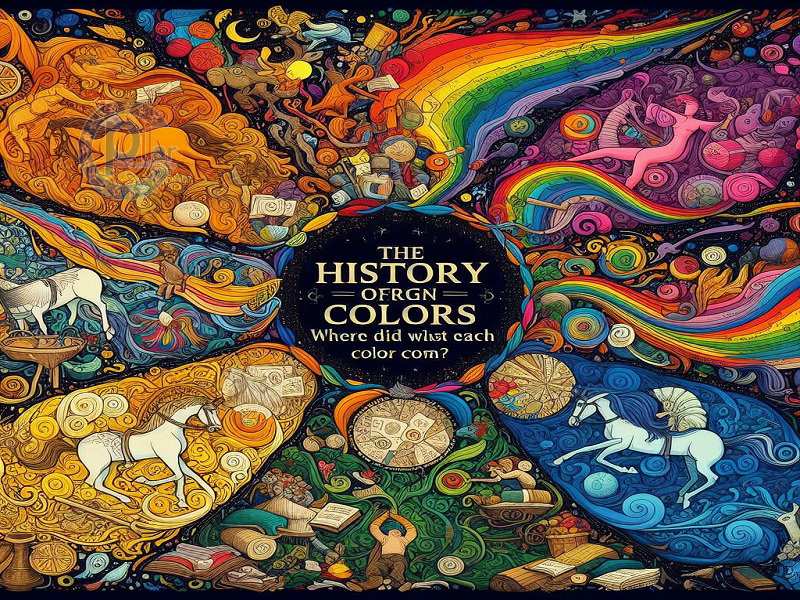
In today’s world, colors play a significant and prominent role in our lives. From artistic beauty to influencing emotions and even being used in various industries, colors are important elements that adorn the world around us. This article delves into the history of the emergence of colors and seeks to provide an interesting journey for the reader, from their earliest rudimentary applications in ancient times to the modern technological advancements in the production and use of colors.
This introduction, by emphasizing the importance of colors in daily life and art, immerses the reader into the fascinating world of the history of colors. Furthermore, by highlighting the impact of colors in modern architecture and the digital world, the article demonstrates how today’s technology has innovatively transformed the thinking and utilization of colors. From the beginning to the present day, you will accompany us on a journey through various artistic works, different industries, and even the digital world to recognize the diverse aspects of colors over time.
Historical Background of Colors
In decades and centuries past, humans utilized natural sources to create colors. These early experiences in color production marked the beginning of a long journey to discover the magic of colors.
Early Use of Natural Resources
During ancient times, humans utilized materials such as soil, plants, and minerals to produce colors. These resources were often obtained in the form of powders or liquid dyes. For example, green pigment was derived from plants and flowers, while red pigment was extracted from mineral substances such as iron oxide.
The Role of Colors in Ancient Art and Culture
Colors have played a significant role in art and culture since ancient times. Paintings, handmade patterns, and ancient artworks bear witness to the influential role of colors in bygone eras. Each color in these periods had its own meanings and symbols, aiding in a subjective interpretation of the surrounding world.
Technological Advances in Color Production
Throughout the centuries, with technological advancements, humans delved into the discovery and utilization of chemical substances for color production. These advancements led to the creation of new and more stable colors, enabling a wider and more extensive use of colors across various industries.
So far, we have embarked on a journey through time from the inception of color usage to significant technological advancements in their production. This evolutionary path of colors from ancient times to the present day is a captivating story of inventions and discoveries that have profoundly influenced human culture and life. In the following, we will explore some of these advancements together.
Discovery and Use of Chemical Substances
With the emergence of chemistry, the possibility of using chemical substances for color production came into existence. In the 19th century, chemical substances such as aniline and sulfur were mostly utilized, a feat showcased by chemists like William Perkins.
Key Inventions in the Color Production Process
In the early 20th century, significant inventions took place in the color production process. For instance, the famous primary colors CMYK (Cyan, Magenta, Yellow, Black) for color printing were invented by Leonhard Hanschel in 1906.
More Stable and Diverse Colors
In the following decades, research on colors shifted towards creating more stable and diverse hues. This included the development of waterproof colors, heat-resistant ones, and nanostructured colors with unique properties.
Colors in Electronics and Illumination
Technological advancements have enabled us to utilize colors in various industries. From LED lighting colors to electronic hues in different devices, technology has played a significant role in color production and enhancement.
Smart and Adaptive Colors
Modern technology allows us to alter colors using smart technologies. Electronically adjustable colors are employed in some consumer devices and even household items.
Technological advancements in color production have transformed from the simple world of soil and plants to a complex and innovative realm of chemical substances and cutting-edge technology. These advancements not only enhance beauty and art but also have significant impacts on various economic and industrial sectors.
Use of Colors in Art History
Colors have played a significant and influential role in art history. From ancient times to the present day, artists have used colors as a means to convey emotions, create visual effects, and add depth and beauty to their works.
The Role of Colors in Ancient Times
In ancient art, artists used natural sources to create colors. For example, in the wall paintings of Pompeii, natural colors like soil and plants were used to decorate the walls. Colors during this period not only served aesthetic purposes but also held specific meanings and symbols.
Evolution in Renaissance Art
During the Renaissance period, artists not only used natural colors but also incorporated newly obtained colors from chemical techniques. The development of oil painting techniques allowed colors to be depicted with greater detail, conveying emotions more effectively to viewers.
تاریخچه رنگ
Colors and the Abstract Art Revolution
During the abstract and art revolution era, artists used colors in more innovative and creative ways. Color combinations and the use of contrasts to create visual effects, as well as the violation of traditional art rules in using colors, brought this period into a veil of new and endless artistic perspectives.
The Influence of Colors on Emotions and Message Conveyance in Contemporary Art
In contemporary art, artists use colors as a new language. Each color has a specific role in conveying emotions, and artists pay close attention to designing and selecting colors. Colors in this period are also used as a means to convey social, cultural, and political messages.
Colors in Digital Art
With technological advancements, artists extensively use colors in digital art. The capabilities of creating colors and special effects through graphic software have opened up a new world of innovation and creativity for artists.
In summary, the use of colors in art history has always played an important role in the evolution of art and the conveyance of ideas and still continues. From ancient wall paintings to contemporary artists’ works, colors have a powerful and captivating language in the art world.
Colors in Daily Life and Industry
Colors play a vital role in daily life and industry. From adding beauty and attractiveness to our living environment to various applications in different industries, colors have a widespread presence in our lives. Below, we’ll examine the impact of colors on daily life and industry.
Colors in Beauty and Environmental Design
Colors are used in our daily lives to create beauty and diversity in the living environment. From choosing colors for walls and furniture in homes to using colors in flowers and plants, each plays a role in creating a pleasant and enjoyable atmosphere.
Colors in Advertising and Marketing
In the marketing industry, colors are crucial for attracting customers’ attention and creating brand identity. The choice of colors for logos, product packaging, and even in advertisements has a significant impact on consumer behavior.
Using Colors in Architecture and Interior Design
In architectural and interior design, colors play an important role in determining the atmosphere and energy of the environment. Choosing colors for walls, flooring, and decorative items in a way that creates an appropriate combination helps in attracting attention and increasing comfort in a particular space.
Colors in Various Industries
In various industries, colors are used as a means of differentiation and distinction. Labels, product packaging, cars, clothing, and even food items are designed using colors to identify and attract customers’ attention.
Colors in Public Spaces
Colors also play a significant role in public spaces. For example, traffic signal colors on streets and roads are important for information dissemination and safety. Additionally, symbolic colors in delineating various points in cities play an important role in attracting attention and enhancing the beauty of the environment.
Colors in the Digital Age
In the digital world, colors play a crucial role in visualization and graphic design. From choosing colors for web pages to using colors in software design, all contribute to creating a positive and desirable user experience.
Considering these points, it can be said that colors in daily life and industry serve as an attractive and key element, having a significant impact on us and our surrounding environment and widely contributing to creating beauty, conveying information, and determining emotions.
Colors in the Modern Era
In the modern era, colors have taken center stage as a key element in art, design, architecture, and even modern spaces. This era, with its intrinsic characteristics, cultural diversity, and technological advancements, has greatly influenced the use of colors in various fields.
Colors in Contemporary Art
In contemporary art, artists use colors in new and innovative forms and combinations. The choice of colors in modern art often aims to create visual effects, convey spiritual messages, or highlight emotions.
Colors in Modern Architecture
In modern architecture, the use of colors is very common for defining the identity of buildings, attracting attention to specific points, and creating visual advertisements. Buildings, through the use of modern color combinations, not only blend with the surrounding environment but also add more attractiveness and beauty to architecture.
Colors in Industrial Design
In the field of industrial design, the production of products in a beautiful and attractive manner often relies on the selection of appropriate colors. Colors in this area are used to distinguish products, encourage purchases, and create positive user experiences.
Colors in Urban Spaces
In modern urban spaces, the use of colors has become common for creating recreational areas, encouraging travel on streets, and attracting attention to ordinary public facilities. Paintings, symbols, and colorful signs in these spaces are used to liven up and bring joy to the urban environment.
Colors in Fashion and Clothing Design
In the fashion and clothing design industry, colors play a very important role. Choosing modern and attractive colors for clothes has a significant impact on attracting attention and creating a modern style.
Colors in the Digital World
Digital technology and graphic design also heavily rely on colors. Colors are used in web design, software, computer games, and electronic devices to attract attention and create suitable user experiences.
In general, in the modern era, colors are used as a visual language to convey ideas, emotions, and identity and are directed in innovative forms and manifestations in art and design.
Color Technology in the Digital World
Color technology in the digital world has provided users with extensive capabilities, new features, and extraordinary visual experiences. These technologies include various fields such as displays, digital photography, graphic design, and even virtual and augmented reality (AR and VR).
Displays and Screens
Displays use various technologies such as LED, OLED, and QLED to produce unique and high-quality colors. High resolution, high contrast ratio, and the ability to display vivid and accurate colors are some of the characteristics of these displays.
Digital Cameras
Digital cameras with advanced capabilities in color analysis, sensitivity to light, and the use of image processing algorithms enable high-quality photography with vivid and real colors.
Graphic Design and Image Editing Software
Graphic design software like Adobe Photoshop and image editing software like Lightroom use advanced tools to control colors, white balance, and color correction. Artificial intelligence technologies also help improve processes and increase efficiency in this area.
VR and AR
In virtual reality (VR) and augmented reality (AR), color technology is used to create virtual reality experiences and integrate real-world elements with virtual ones. These technologies use colors to create a natural and amazing sense in the user experience.
Colors in Web and Digital Media
Color technology plays a crucial role in web design and digital media. Choosing web colors, designing graphic features, and creating attractive user experiences are among the applications of this technology.
Smart Lighting
Smart lighting systems, using LED and modern technologies, intelligently adjust colors and light intensity. This capability allows users to adjust the environment according to their mood and activities.
It is clear from these examples that color technology in the digital world is extensively used in various fields and enhances user experience and visualization to a new level.
Conclusion
In conclusion, color technology in the digital world has provided extensive capabilities for creating visual experiences. From displays with high resolutions to digital cameras with advanced features, technology has helped in creating lively, accurate, and attractive colors. In the modern era, colors are used as one of the most important visual elements in art, architecture, design, and digital spaces, playing a key role in enhancing user experience and visualization.
refrence: History of the origin of color
تاریخچه پیدایش رنگ
در دنیای امروز، رنگها نقش بسیار مهم و بارزی در زندگی ما ایفا میکنند. از زیبایی هنری تا تأثیرگذاری در احساسات و حتی استفاده در صنایع مختلف، رنگها جزء عناصر مهمی هستند که جهان اطراف ما را تزین میکنند. این مقاله به بررسی تاریخچه پیدایش رنگها میپردازد و سعی دارد تا از نخستین کاربردهای اولیه در دوران باستان گرفته تا به پیشرفتهای فناوری مدرن در زمینه تولید و استفاده از رنگها، ماجراجویی جالبی را برای خواننده ارائه دهد.
این مقدمه با اشاره به اهمیت رنگها در زندگی روزمره و هنر، خواننده را وارد دنیای جذاب تاریخچه رنگها میکند. افزون بر این، با تأکید بر تأثیر رنگها در معماری مدرن و دنیای دیجیتال، مقاله نشان میدهد که چگونه تکنولوژی امروزی به شکلی نوین تفکر و استفاده از رنگها را تغییر داده است. از ابتدا تا امروز، سفری در آثار هنری، صنایع مختلف، و حتی دنیای دیجیتال، با ما همراه خواهید بود تا جلوههای مختلف رنگها را در طول زمان بشناسید.
پیشینه تاریخی رنگها
در دههها و قرون گذشته، انسانها از منابع طبیعی برای ایجاد رنگها استفاده میکردند. این تجربههای اولیه در تولید رنگها، ابتدای سفری طولانی برای کشف جادویی رنگها بوده است.
استفاده اولیه از منابع طبیعی
در دوران باستان، انسانها از موادی مانند خاک، گیاهان، و مواد معدنی برای تولید رنگها استفاده میکردند. این منابع اغلب به شکل پودرها یا رنگهای مایع به دست میآمدند. مثلاً خاک سبز از گیاهان و گلها، و خاک قرمز از مواد معدنی نظیر آهن به دست میآمد.
نقش رنگها در هنر و فرهنگ باستان
رنگها از دورانهای باستان در هنر و فرهنگ نقش بسیار مهمی داشتند. نقاشیها، نقوش دستساز، و آثار هنری قدیمی شاهد بر تاثیرگذاری رنگها در اعیان گذشته هستند. هر رنگ در این دورهها معانی و نمادهای خاص خود را داشت و به تعبیری خودکارانه از جهان اطراف انسان کمک میکرد.
پیشرفتهای فناوری در تولید رنگ
در طول قرون و با پیشرفت فناوری، انسانها به کشف و استفاده از مواد شیمیایی برای تولید رنگها پرداختند. این پیشرفتها باعث ایجاد رنگها ی جدید و پایدارتر شد و امکان استفاده گستردهتر از رنگها در صنایع مختلف امکانپذیر شد.
تا اینجا، ما به یک سفر در زمان از ابتدای استفاده از رنگها تا پیشرفتهای تکنولوژیک فراوان در تولید آنها پرداختیم. این مسیر تکامل رنگها از دوران باستان تا به امروز، داستانی جذاب از اختراعات و اکتشافات است که تأثیر بسزایی بر فرهنگ و زندگی انسانها گذاشته است. در ادامه برخی از این پیشرفتها را با هم بررسی میکنیم.
کشف و استفاده از مواد شیمیایی
با پیدایش شیمی، امکان استفاده از مواد شیمیایی برای تولید رنگها به وجود آمد. در قرن ۱۹، اکثراً از مواد شیمیایی مانند آنیلین و سولفور استفاده شد که این امر به وسیله شیمیدانان همچون ویلیام پرکینز به نمایش گذاشته شد.
اختراعات کلیدی در فرایند تولید رنگها
در اوایل قرن ۲۰، اختراعات مهمی در فرایند تولید رنگها صورت گرفت. مثلاً، رنگها ی اصلی مشهور CMYK (سیان، ماجنتا، زرد، سیاه) برای چاپ رنگی توسط لئوناردو هانسل در سال ۱۹۰۶ ابداع شد.
رنگها ی پایدارتر و متنوعتر
در دهههای بعد، تحقیقات بر روی رنگها به سمت ایجاد رنگهای پایدارتر و متنوعتر هدایت شد. این شامل توسعه رنگها ی ضدآب، مقاوم در برابر حرارت، و رنگها ی نانوساختاری است که خصوصیات منحصر به فردی دارند.
رنگها در صنعت الکترونیک و نورپردازی
پیشرفتهای تکنولوژی به ما این امکان را میدهد که رنگها را در صنایع مختلف مورد استفاده قرار دهیم. از رنگهای نورپردازی LED گرفته تا رنگها ی الکترونیکی در دستگاههای مختلف، فناوری نقش بسزایی در تولید و بهبود رنگها ایفا کرده است.
رنگهای هوشمند و تغییرپذیر
فناوری امروزی به ما این امکان را میدهد که رنگها را با استفاده از تکنولوژیهای هوشمند تغییر دهیم. رنگها ی قابل تنظیم الکترونیکی در بعضی از دستگاههای مصرفی و حتی لوازم خانگی به کار گرفته میشوند.
پیشرفتهای فناوری در تولید رنگها از دنیای ساده خاک و گیاهان به دنیای پیچیده و نوآورانهای از مواد شیمیایی و تکنولوژی پیشرو تبدیل شده است. این پیشرفتها نه تنها به زیبایی و هنر میافزایند، بلکه در زمینههای مختلف اقتصادی و صنعتی نیز تأثیرگذار بودهاند.
استفاده از رنگها در تاریخ هنری
رنگها در تاریخ هنری نقشی بسیار بزرگ و تأثیرگذار داشتهاند. از دوران باستان تا به امروز، هنرمندان از رنگها به عنوان وسیلهای برای انتقال احساسات، ایجاد تأثیرات بصری و افزودن عمق و زیبایی به آثار خود استفاده کردهاند.
نقش رنگها در دوران باستان
در هنر باستان، هنرمندان از منابع طبیعی برای ایجاد رنگها استفاده میکردند. مثلاً در نقاشیهای دیواری پمپئی، از رنگهای طبیعی مانند خاک و گیاهان برای تزیین دیوارها استفاده میشد. رنگها در این دوره علاوه بر زیبایی، معانی و نمادهای خاصی نیز داشتند.
تحول در هنر رنسانس
در دوران رنسانس، هنرمندان نه تنها از رنگها ی طبیعی بلکه از رنگها ی جدید به دست آمده از تکنیکهای شیمیایی نیز استفاده کردند. توسعه تکنیکهای نقاشی روغنی این امکان را فراهم کرد که رنگها با جزئیات بیشتری به تصویر برسند و احساسات بهتری را به تماشاگران منتقل کنند.
تاریخچه رنگ
رنگها و انقلاب هنری انتزاعی
در دوران انتزاعی و انقلاب هنری، هنرمندان از رنگها به شکلی نوآورانهتر و خلاقانهتر استفاده کردند. ترکیبات رنگی و استفاده از کنتراستها برای ایجاد اثرات بصری و همچنین نقض قوانین هنر سنتی در استفاده از رنگها ، این دوران را به یک پرده از نظرات هنری جدید و بیپایان کرد.
تأثیر رنگها بر احساسات و انتقال پیام در هنر معاصر
در هنر معاصر، هنرمندان از رنگها به عنوان یک زبان جدید استفاده میکنند. هر رنگ نقشی خاص در انتقال احساسات دارد و هنرمندان بر طراحی و انتخاب رنگها به دقت توجه میکنند. رنگها در این دوره به عنوان وسیلهای برای انتقال پیامهای اجتماعی، فرهنگی و سیاسی نیز به کار میروند.
رنگها در هنر دیجیتال
با پیشرفت تکنولوژی، هنرمندان به طور گسترده از رنگها در هنر دیجیتال استفاده میکنند. امکانات ایجاد رنگها و تأثیرات ویژه به وسیله نرمافزارهای گرافیکی، دنیای جدیدی از ابتکار و خلاقیت را برای هنرمندان باز کرده است.
به طور خلاصه، استفاده از رنگها در تاریخ هنری همواره نقش مهمی در تکامل هنر و انتقال ایدهها داشته و همچنان ادامه دارد. از نقاشیهای دیواری باستان تا آثار هنرمندان معاصر، رنگها زبانی قدرتمند و جذاب در دنیای هنر دارند.
رنگها در زندگی روزمره و صنعت
رنگها نقش بسیار حیاتی در زندگی روزمره و صنعت دارند. از زیبایی و جذابیت در محیط زندگی گرفته تا کاربردهای مختلف در صنایع مختلف، رنگها به شکل گستردهای در زندگی ما حضور دارند. در ادامه به بررسی تاثیر رنگ ها بر زندگی روزمره و صنعت میپردازیم.
رنگها در زیبایی و طراحی محیط
رنگها در زندگی روزمره ما به عنوان عاملی برای ایجاد زیبایی و تنوع در محیط زندگی مورد استفاده قرار میگیرند. از انتخاب رنگها ی دیوارها و مبلمان در خانه گرفته تا استفاده از رنگها ی گلها و گیاهان، هرکدام نقش خود را در ایجاد جو دلپذیر و خوشایند در محیط زندگی ایفا میکنند.
رنگها در تبلیغات و بازاریابی
در صنعت بازاریابی، رنگها برای جلب توجه مشتریان و ایجاد هویت برند بسیار مهم هستند. انتخاب رنگها ی لوگو، بستهبندی محصولات و حتی در تبلیغات، تأثیر بسیار زیادی بر روی رفتار مصرفکننده دارد.
استفاده از رنگها در معماری و طراحی داخلی
در طراحی معماری و داخلی، رنگها نقش مهمی در تعیین احساسات و انرژی محیط دارند. انتخاب رنگها ی دیوارها، کفپوشها، و لوازم دکوری به شکلی که با ترکیب مناسب، جلب نظر و افزایش راحتی در مکانی خاص ایجاد شود، از اهمیت زیادی برخوردار است.
رنگها در صنایع مختلف
در صنایع مختلف، از رنگها به عنوان عامل تفکیک و تمایز استفاده میشود. برچسبها، بستهبندی محصولات، خودروها، لباسها، و حتی مواد غذایی با استفاده از رنگها برای شناسایی و جلب توجه مشتریان طراحی میشوند.
رنگها در فضاهای عمومی
رنگها در فضاهای عمومی نیز نقش زیادی دارند. مثلاً رنگها ی سیگنالهای راهنما در خیابانها و جادهها برای اطلاعرسانی و حفظ امانت مهم هستند. همچنین، رنگها ی نمادین در ترسیم نقاط مختلف در شهرها نقش مهمی در جلب توجه و افزایش زیبایی محیط دارند.
رنگها در تکنولوژی دیجیتال
در دنیای دیجیتال، رنگها نقش مهمی در تصویرسازی و طراحی گرافیکی دارند. از انتخاب رنگها ی صفحات وب گرفته تا استفاده از رنگها در طراحی نرمافزارها، همگی به ایجاد تجربه کاربری مثبت و مطلوب کمک میکنند.
با توجه به این نقاط، میتوان گفت که رنگها در زندگی روزمره و صنعت به عنوان یک عنصر جذاب و کلیدی، تأثیر بسزایی بر ما و محیط اطراف ما دارند و به شکل گستردهای در ایجاد زیبایی، انتقال اطلاعات و تعیین احساسات شرکت دارند.
رنگها در عصر مدرن
در عصر مدرن، رنگها به عنوان یک عنصر کلیدی در هنر، طراحی، معماری و حتی فضاهای مدرن جلوه گرفتهاند. این دوران با ویژگیهای خودکارانه، تنوع فرهنگی، و پیشرفتهای تکنولوژیک، تأثیر بسیاری بر استفاده از رنگها در مختلف زمینهها گذاشته است.
رنگها در هنر معاصر
در هنر معاصر، هنرمندان از رنگها به شکلها و ترکیبهایی جدید و نوآورانه استفاده میکنند. انتخاب رنگها در آثار هنری مدرن اغلب به منظور ایجاد تأثیرات بصری، انتقال پیامهای معنوی، یا برجستهسازی احساسات است.
رنگها در معماری مدرن
در معماری مدرن، استفاده از رنگها برای تعیین هویت ساختمان، جلب توجه به نقاط خاص، و ایجاد تبلیغات بصری بسیار مرسوم است. ساختمانها با استفاده از ترکیبات رنگی مدرن، علاوه بر انطباق با محیط اطراف، جذابیت و زیبایی بیشتری به معماری اضافه میکنند.
رنگها در طراحی صنعتی
در صنعت طراحی، تولید محصولات به شکل زیبا و جذاب اغلب به وسیله انتخاب رنگها ی مناسب انجام میشود. رنگها در این زمینه برای تمایز محصولات، تشویق به خرید، و ایجاد تجربه کاربری مثبت استفاده میشوند.
رنگها در فضاهای شهری
در فضاهای شهری مدرن، استفاده از رنگها به منظور ایجاد نقاط تفریحی، تشویق به مسافرت در خیابانها و جلب توجه به امکانات عمومی معمولی شده است. نقاشیها، نمادها و تابلوهای رنگی در این فضاها جهت زنده کردن و شادی بخشیدن به محیط شهری به کار میروند.
رنگها در مد و طراحی لباس
در عرصه مد و طراحی لباس، رنگها نقش بسیار مهمی دارند. انتخاب رنگها ی مدرن و جذاب برای لباسها، تأثیر زیادی در جلب توجه و ایجاد سبک مدرن دارد.
رنگها در دنیای دیجیتال
تکنولوژی دیجیتال و طراحی گرافیکی نیز از رنگها به شدت استفاده میکند. رنگها در طراحی وب، نرمافزارها، بازیهای رایانهای، و تجهیزات الکترونیکی جهت جلب توجه و ایجاد تجربه کاربری مناسب به کار میروند.
به طور کلی، در عصر مدرن، رنگها به عنوان یک زبان بصری برای انتقال ایدهها، احساسات، و هویت به کار میروند و به شکلها و تجلیلاتی نوآورانه در هنر و طراحی هدایت میشوند.
تکنولوژی رنگها در دنیای دیجیتال
تکنولوژی رنگها در دنیای دیجیتال با پیشرفتهای فراوان، امکانات جدید و تجارب بصری فوقالعادهای را برای کاربران فراهم کرده است. این تکنولوژیها از انواع مختلفی شامل نمایشگرها، فتوگرافی دیجیتال، طراحی گرافیکی، و حتی واقعیت مجازی و افزوده (AR و VR) تا زمینههای مختلف دیگر گسترش یافتهاند.
نمایشگرها و صفحات نمایش
نمایشگرها با استفاده از فناوریهای مختلف مانند LED، OLED، و QLED به تولید رنگها ی بینظیر و با کیفیت بسیار بالا میپردازند. رزولوشن بالا، نسبت کنتراست بالا، و توانایی نمایش رنگها ی زنده و دقیق از جمله خصوصیات این نمایشگرها هستند.
دوربینهای دیجیتال
دوربینهای دیجیتال با تواناییهای پیشرفته در تجزیه و تحلیل رنگ، حساسیت به نور، و استفاده از الگوریتمهای پردازش تصویر، امکان عکسبرداری با کیفیت بالا و با رنگها ی زنده و واقعی را فراهم میکنند.
طراحی گرافیکی و نرمافزارهای ویرایش تصویر
نرمافزارهای طراحی گرافیکی مانند Adobe Photoshop و نرمافزارهای ویرایش تصویر مثل Lightroom از ابزارهای پیشرفتهای برای کنترل رنگها ، تعادل سفیدی، و تصحیح رنگها بهره میبرند. تکنولوژیهای هوش مصنوعی نیز در این زمینه به بهبود فرآیندها و افزایش کارایی کمک میکنند.
VR و AR
در واقعیت مجازی (VR) و واقعیت افزوده (AR)، تکنولوژی رنگها برای ایجاد تجربیات واقعیت مجازی و ترکیب دنیای واقعی با اجزای مجازی بهکار میرود. این تکنولوژیها از رنگها برای ایجاد حس طبیعی و شگفتانگیز در تجربه کاربری استفاده میکنند.
رنگها در وب و رسانههای دیجیتال
تکنولوژی رنگها در طراحی وب و رسانههای دیجیتال نقش مهمی ایفا میکند. انتخاب رنگها ی وب، طراحی ویژگیهای گرافیکی، و ایجاد تجربیات کاربری جذاب از جمله کاربردهای این تکنولوژی است.
نورپردازی هوشمند
سیستمهای نورپردازی هوشمند با استفاده از LED و تکنولوژیهای مدرن، قابلیت تنظیم رنگها و شدت نور را به شکل هوشمندانه ارائه میدهند. این امکان به کاربران این امکان را میدهد تا محیط را با توجه به مزاج و فعالیتهای خود تنظیم کنند.
از این جمله مثالها مشخص است که تکنولوژی رنگها در دنیای دیجیتال به شکل گستردهای در زمینههای مختلف مورد استفاده قرار گرفته و تجربه کاربری و تصویرسازی را به سطح جدیدی ارتقاء داده است.
نتیجه گیری
در نتیجه، تکنولوژی رنگها در دنیای دیجیتال امکانات بسیار گستردهای را برای ایجاد تجربیات بصری فراهم کرده است. از نمایشگرها با رزولوشن بالا گرفته تا دوربینهای دیجیتال با قابلیتهای پیشرفته، تکنولوژی به ایجاد رنگها ی زنده، دقیق، و جذاب کمک کرده است. در عصر مدرن، رنگها به عنوان یک زبان بصری در هنر، معماری، طراحی، و فضاهای دیجیتال به کار میروند و تجربه کاربری و تصویرسازی را به سطح جدیدی ارتقاء میدهند.
از رنگها در وب، نرمافزارهای طراحی گرافیکی، فتوگرافی دیجیتال تا واقعیت مجازی و افزوده، هرکدام نمایانگر توانمندیهای بیشتری از این تکنولوژی استفاده میکنند. تکنولوژی رنگها به عنوان یکی از اصلیترین عناصر بصری در دنیای دیجیتال، در ایجاد زیبایی، انتقال احساسات، و بهبود تجربه کاربری نقش کلیدی ایفا میکند.